How the Monorail Becomes a Source of Production Intelligence
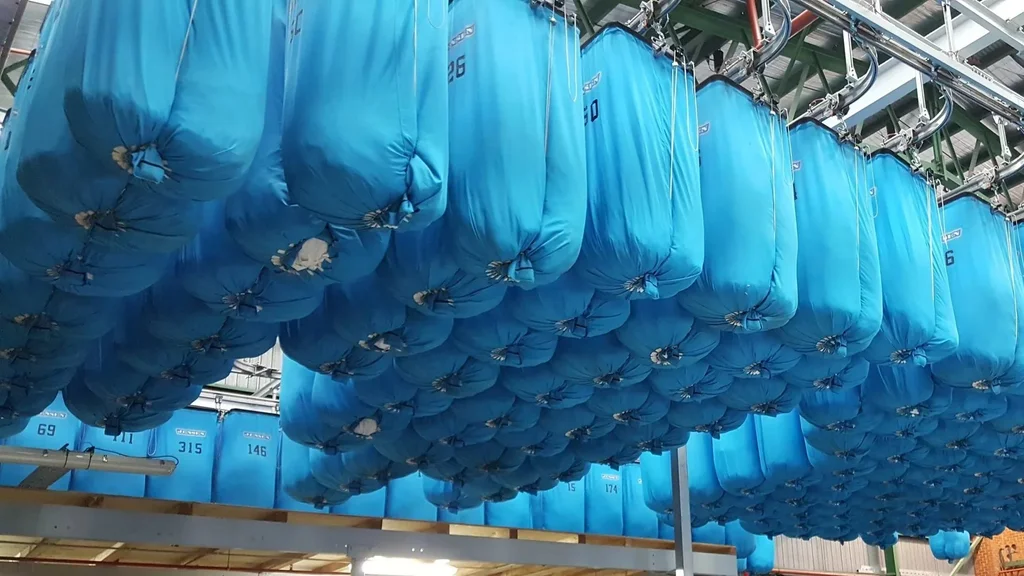
Almost everything processed through the plant passes through the monorail system at some stage. This gives us access to an incredible amount of operational data. When that information is captured and used effectively, the rail becomes much more than a method of storing and moving linen – it becomes a valuable source of production intelligence.
Understanding what is happening across the plant
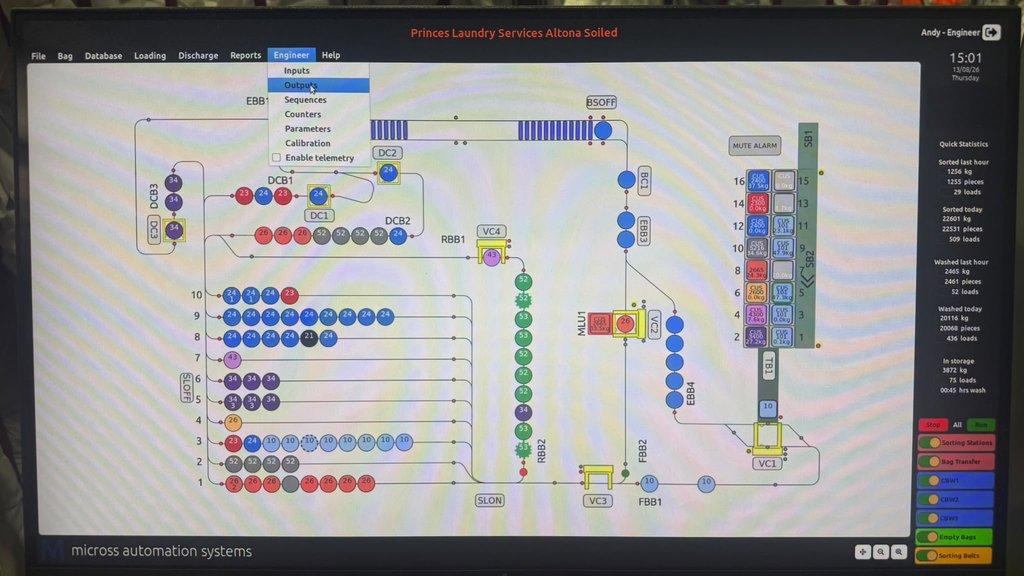
Because such a large proportion of production moves through the monorail, the system can provide a detailed picture of what is entering production, what has been sorted, what is waiting to be processed and what is being released to downstream finishing areas.
Measuring sorting performance
Rather than estimating sorting productivity based on observation, the system can provide measurable information on sorting volumes, rates and throughput. This gives management a much clearer understanding of actual performance and where opportunities for improvement may exist.
Real-time visibility of work in progress
Knowing exactly what products and quantities are currently held within the rail gives production teams a clearer view of the workload ahead. This can be particularly valuable when balancing production requirements across different departments.
Controlling production rather than reacting to it
With better information, supervisors can make informed decisions about which products should be released next. Production priorities can therefore be based on customer requirements, finishing capacity and overall plant demand rather than simply processing work in the order it arrives.
Recognising potential bottlenecks earlier
The rail can also provide an early indication when certain product categories are accumulating, running below expected levels or moving through the plant differently from normal. Identifying these conditions early gives supervisors an opportunity to adjust production before they create problems in finishing or dispatch.
Developing production profiles over time
Historical rail data can reveal recurring production patterns across different days of the week. Understanding the typical flow of linen on a Monday compared with a Wednesday, for example, can assist with labour planning, machine allocation and production scheduling for future weeks.
Keeping downstream equipment productive
Improved knowledge of what is approaching the finishing departments can help maintain the correct product mix and minimise periods where operators or machinery are waiting for work. In this way, improvements to rail management can have productivity benefits well beyond the sorting area itself.
Converting plant data into useful information
This is perhaps one of the most important messages. Commercial laundries already generate enormous amounts of information, particularly when most production passes through a central monorail system. Simply collecting that data has limited value. The real benefit comes from turning it into clear, usable information that allows supervisors and managers to make better decisions during the working day.